
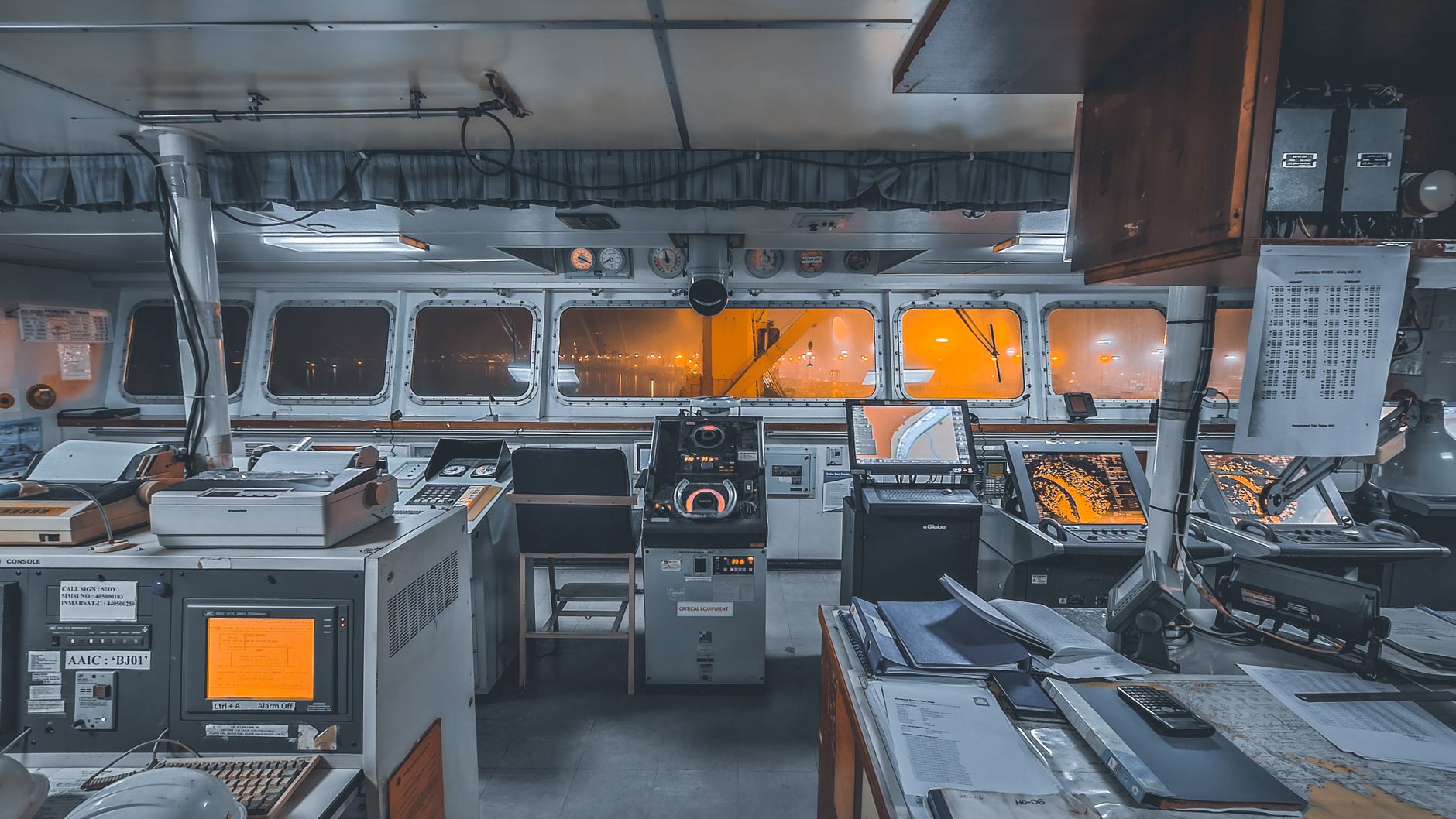
AI is moving into military planning, surveillance, logistics, and targeting support. Understanding its benefits, limits, and ethical risks is now essential for defense leaders, technologists, and students following the future of warfare. #militaryai #defensetechnology #artificialintelligence #nationalsecurity #aiethics
Artificial intelligence has been part of defense technology for years, but its role is changing in a more consequential way. It is no longer limited to sorting satellite images, flagging suspicious activity, or helping maintain equipment. Increasingly, AI is being positioned as a decision-support layer inside military organizations, offering recommendations, summarizing intelligence, simulating scenarios, and helping commanders process vast amounts of information faster than traditional staff structures can manage alone.
That shift matters because advice is different from automation. When a system starts influencing what humans see, which options are surfaced, and how risks are framed, it can shape decisions long before anyone presses a button. In modern defense planning, the real power of AI may not be that it replaces human judgment, but that it quietly reorganizes the battlefield of information around that judgment.
For students, developers, policy researchers, and cybersecurity professionals, this is one of the most important AI stories to watch. Military AI is not just about autonomous weapons. It is about data pipelines, trust, governance, human oversight, model security, and the growing pressure to make high-stakes choices at machine speed.
Why militaries want AI in the decision loop
Modern armed forces face an information problem as much as a combat problem. Surveillance systems generate massive streams of video, radar, signals intelligence, drone feeds, and open-source data. Analysts and commanders must absorb that information quickly, decide what matters, and act before the situation changes.
This is where AI looks attractive. Large language models, computer vision systems, and predictive analytics tools can help turn raw data into organized insight. Instead of asking officers to manually search through layers of reports, AI systems can summarize patterns, highlight anomalies, compare options, and provide draft assessments in seconds.
In practical terms, defense organizations are interested in AI because it can help:
- reduce information overload in command centers
- speed up intelligence analysis
- support mission planning and battlefield simulations
- improve logistics, maintenance, and supply chain forecasting
- surface risks and likely outcomes across multiple scenarios
- assist multilingual analysis, translation, and signal triage
None of this guarantees better decisions on its own. But in fast-moving environments, the side that can process information more clearly and more quickly often gains a major operational advantage.
Where AI is already shaping military decisions
Intelligence, surveillance, and reconnaissance
One of the clearest uses of AI in defense is intelligence processing. Computer vision models can identify objects in drone footage, distinguish vehicles from civilian traffic, detect infrastructure changes in satellite imagery, and prioritize images for human review. Natural language systems can summarize reports, compare documents, and extract key entities from large bodies of text.
The value here is not just speed. AI can help analysts notice patterns that might otherwise be buried in noise. If several weak signals point to a meaningful development, a machine-learning system may detect that cluster earlier than a purely manual process. Even then, the final interpretation still depends on human analysts who understand regional context, adversary behavior, and the limits of the data.
Logistics and maintenance
Military readiness often depends on mundane but critical systems: fuel, spare parts, maintenance schedules, transportation routes, and inventory management. AI is well suited to these areas because they involve patterns, probability, and large operational datasets.
Predictive maintenance tools can estimate when vehicles, aircraft, or naval systems are likely to fail. Supply models can help planners allocate resources more efficiently. Route optimization systems can suggest safer or faster movement options under changing conditions. These capabilities may not sound dramatic, but they can influence whether a mission succeeds before it even starts.
Planning, war-gaming, and scenario analysis
Another growing use case is strategic planning. AI tools can support simulations by testing multiple scenarios quickly, identifying likely chokepoints, and helping planners think through second- and third-order effects. This is especially useful in joint operations where military, cyber, space, and information domains are connected.
Instead of replacing military planners, AI can act as a tireless analytical assistant. It can generate alternative courses of action, model resource tradeoffs, or stress-test assumptions. In this sense, AI becomes less of a weapon and more of a staff officer that never sleeps.
Targeting and mission support
The most sensitive area is targeting support. Defense officials and military researchers have discussed how AI chatbots or analytical systems could help assemble information relevant to targeting decisions. That does not necessarily mean a model is choosing a target on its own. More often, it means the system may gather sensor data, summarize intelligence, compare confidence levels, or present recommendations for human review.
Still, this is where the ethical stakes rise sharply. If an AI system influences how a target is identified or prioritized, then errors, bias, and false confidence can have immediate consequences. A flawed recommendation in a retail chatbot is inconvenient. A flawed recommendation in a military context can be catastrophic.