
Excerpt: The US Army is seeking FPV drone operators for Gauntlet III, a major Pentagon effort that will test aircraft, inform procurement, and strengthen domestic drone capability. #drones #fpv #defensetech #militaryinnovation #uas #careers
The US Army’s latest recruitment push says a lot about where modern defense is heading. Instead of focusing only on traditional aircraft programs or large weapons systems, the Pentagon is actively looking for service members who understand fast, agile, first-person-view drones. That shift reflects a larger reality: small unmanned aircraft are no longer a niche tool. They are becoming central to surveillance, tactical decision-making, precision strikes, and the future of battlefield experimentation.
At the center of this effort is Gauntlet III, an evaluation exercise tied to the Pentagon’s wider Drone Dominance initiative. The goal is practical rather than symbolic. Military teams want real operators to test how well new aircraft perform in demanding conditions, how quickly they can be learned, and whether they are ready for broader deployment. For service members with FPV experience, this creates a rare opportunity to help shape procurement decisions that may influence the next generation of US military drone capability.
It also signals a major investment in domestic drone innovation. With roughly $1.1 billion behind the initiative, the Pentagon is not only buying aircraft. It is building a pipeline for testing, feedback, production, and operational adoption. That makes this recruitment drive relevant well beyond a single military exercise.
What the Army is recruiting for
The recruitment effort is focused on identifying around 100 drone operators who can support evaluations under Gauntlet III. The exercise is designed to compare aircraft systems in realistic conditions, using service members who understand the demands of FPV flight and tactical drone operation.
Unlike some highly specialized military programs, the registry is not limited to one branch or a narrow career field. Personnel from different parts of the armed forces can express interest, and officials are reportedly looking to build a broader database of qualified operators for future testing. In other words, this is not just a one-time search. It looks more like the foundation of a longer-term talent network inside the military.
That matters because drone performance cannot be judged only in a lab or on a product sheet. Range, maneuverability, payload handling, visual control, stability, and resilience under pressure all reveal themselves differently when aircraft are flown by people with varying levels of experience.
Why FPV drone skills matter more than ever
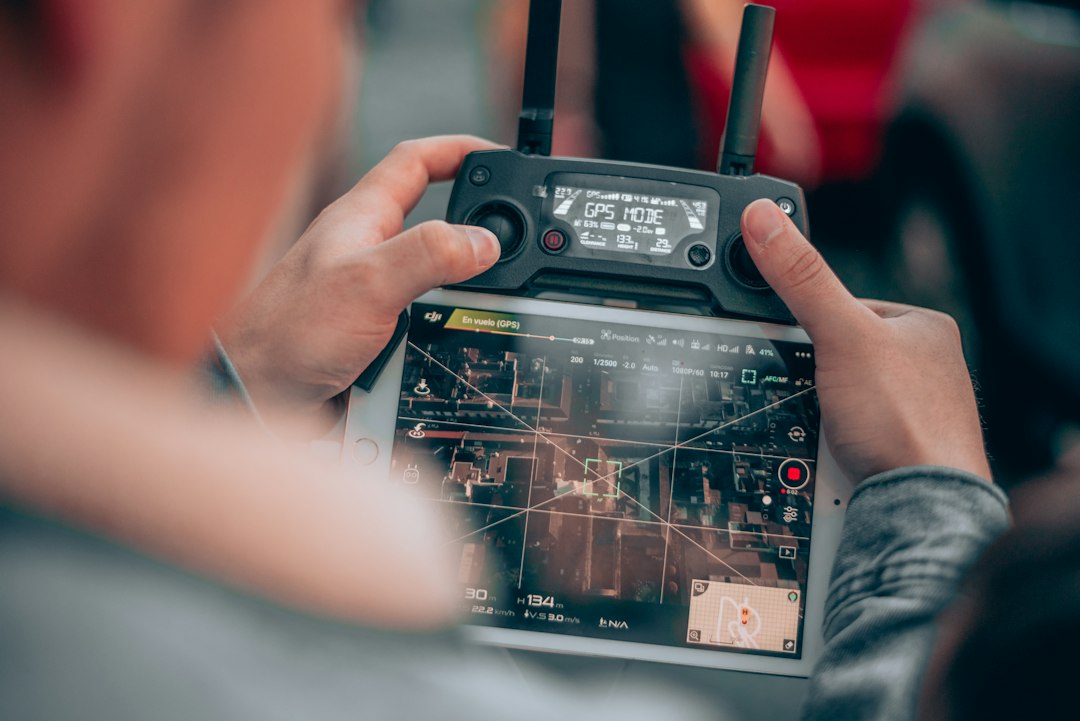
FPV drones give operators a live onboard camera perspective, allowing them to pilot aircraft as if they are inside the system. In military environments, that can be valuable for reconnaissance, target identification, navigation through confined spaces, and rapid response in dynamic terrain.
What makes FPV flying especially relevant is the level of operator control involved. Many of these drones are flown in manual or