
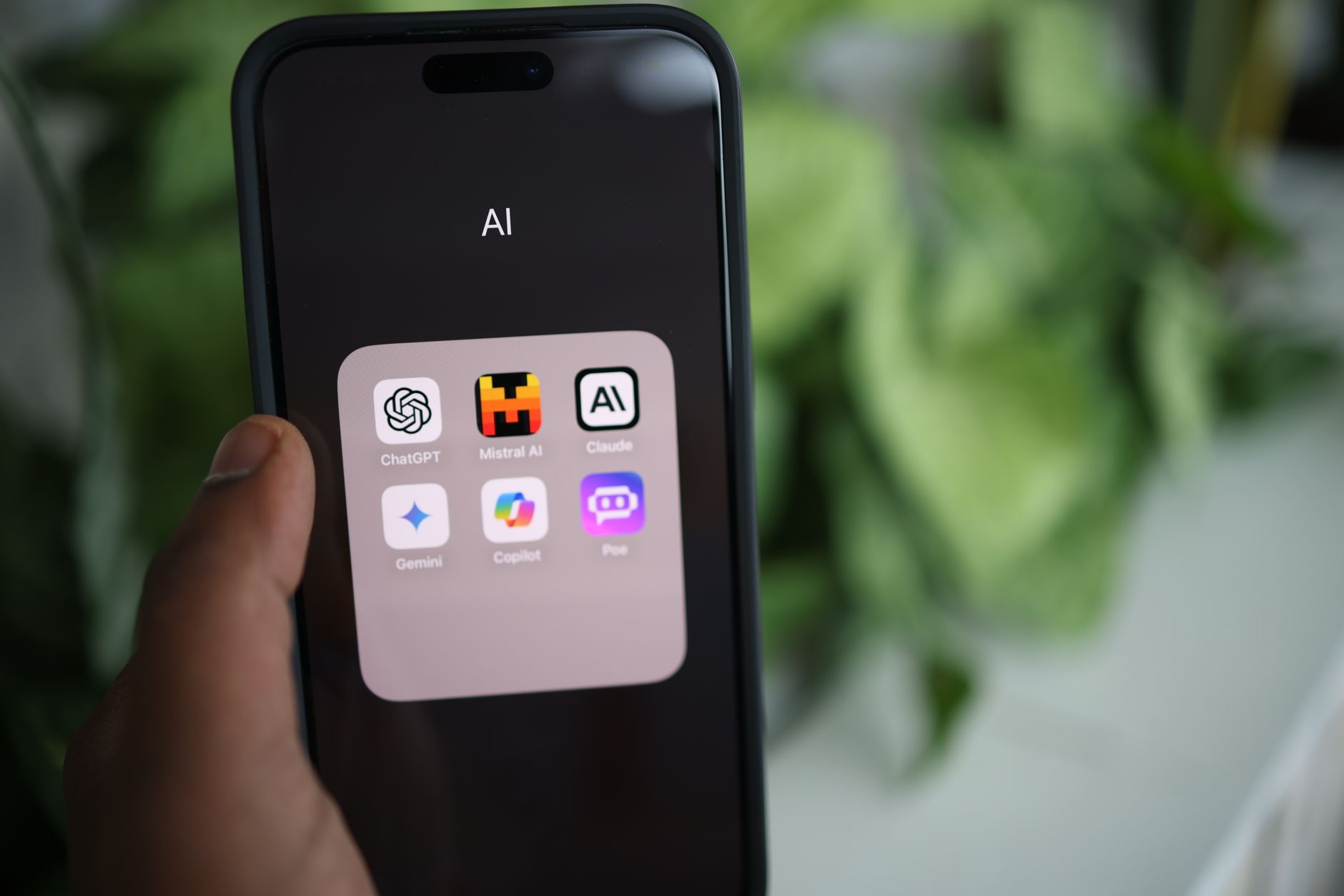
Excerpt: Globe’s AI Fiesta packages top AI models into prepaid token packs, making generative AI easier to try for students, freelancers, and small businesses while raising important questions about transparency, routing, and data control. #generativeai #philippines #edtech #aiforstudents #digitalinnovation #prepaidtech
Generative AI has become one of the most powerful digital tools of the past few years, but for many users, the real barrier is not curiosity. It is cost. Accessing leading models often means paying separate monthly subscriptions, usually billed in foreign currency, and that quickly turns experimentation into an expensive habit. Globe’s partnership with AI Fiesta introduces a different model: prepaid access to several major AI systems through a single app.
That idea matters because it mirrors how millions of people already pay for digital services in the Philippines. Instead of locking users into another recurring subscription, the platform lets them buy token packs, try different models, and spend only when they need to. It is a local, practical twist on global AI adoption, and it could reshape how students, freelancers, and small business owners first engage with advanced tools.
More importantly, this is not just a pricing story. It is a product strategy story. A single interface that gives users access to ChatGPT, Claude, Gemini, Grok, DeepSeek, and similar systems promises convenience, lower friction, and side-by-side comparison. At the same time, it raises harder questions about token value, model quality, data flow, and how much control users really have once an aggregator sits between them and the AI provider.
Why a prepaid AI model makes sense in the Philippines
In many Western markets, AI adoption has followed the software-as-a-service pattern: sign up, enter a card, pick a plan, and get billed every month. That works for users already comfortable with subscriptions, but it does not always match how digital payments work in Southeast Asia. In the Philippines, prepaid mobile usage has long shaped consumer behavior. People are used to topping up only when needed, watching their balance, and adjusting their spending in small increments.
Globe’s AI Fiesta fits neatly into that habit. Instead of asking users to commit to several premium plans before they even know which model suits them, it offers a low-cost entry point. That matters for learners writing essays, virtual assistants drafting client messages, designers testing image ideas, and small entrepreneurs exploring AI for sales copy or customer support.
The psychological difference is just as important as the price difference. A US$20 monthly plan can feel like a serious commitment when layered on top of internet, mobile, streaming, and productivity tools. A small token pack feels more like a trial with real utility. It lowers the threshold for first use, and first use is often the hardest step in digital adoption.
What users are really buying with AI Fiesta
At first glance, the offer sounds simple: one app, many models. But what users are really buying is flexibility. Instead of relying on a single AI assistant for every task, they can move between models depending on what they need. One model may be better for concise writing, another for brainstorming, another for coding help, and another for research-oriented tasks.
Features associated with the launch reportedly include multi-model prompting, comparative answers, image generation tools, automatic model routing, deep research flows, and real-time web retrieval. For ordinary users, that could make the app feel more like an AI workspace than a single chatbot. Rather than guessing which platform is best, they can test responses in one place and keep moving.
Still, the value of that promise depends on details. Token packs starting at ₱49 may sound affordable, but affordability is not just about the entry price. It is about how long a balance lasts during real use. Summarizing a short note, generating a social caption, and editing a paragraph are lightweight tasks. Long-form research, multi-step coding assistance, detailed analysis, or repeated retries can consume far more tokens than users expect.
That is why transparency matters. The most important information is not simply which model names appear in the app. Users also need to know:
- How many tokens come with each pack
- Whether unused tokens expire
- Which model versions are actually available
- Whether premium features cost more than basic prompting
- How the app behaves when usage spikes or a provider slows down
Without those details, a low entry price attracts attention, but it does not fully reveal the real cost of completing meaningful work.
The hidden engineering behind a one-app, many-model experience
A multi-model AI app may look simple on the surface, but behind the interface is a complicated orchestration layer. The app does not train all of these models itself. Instead, it typically acts as an aggregator, handling identity, billing, prompt routing, response display, usage tracking, and user experience while upstream AI providers serve the model outputs.
Routing is the core product, not just the chat box
One of the most interesting features in this kind of system is automatic routing. If an app promises to send a prompt to the most suitable model, then it is making a judgment about task quality, latency, and cost. That is a product decision with major consequences. A strong router could save users money by sending simple tasks to cheaper models and reserving more advanced systems for complex work. A weak router could create frustration by picking an underpowered option that forces repeated prompts and wasted tokens.
This is why the real innovation may not be the user interface at all. It may be the logic behind deciding which model handles which request. In other words, prepaid AI becomes useful only when the app can balance performance and efficiency in a way that feels dependable.
Token economics can shape the user experience
Tokens are often misunderstood. They are not the same as messages. A single short question may use relatively few tokens, but a long prompt, a document upload, a back-and-forth conversation, or a research-heavy request can burn through far more. In a prepaid environment, every extra word matters. Every retry matters. Every model switch matters.
That makes cost-per-task more meaningful than cost-per-pack. If a student can complete several assignments from one small purchase, the model feels efficient. If the same balance disappears halfway through a long literature summary or coding session, the pricing may feel less attractive than a monthly subscription.
Data flow and privacy deserve more attention
Another overlooked issue is data handling. When users type into an aggregator app, their prompts may pass through multiple layers: the mobile interface, the app’s own backend systems, and the external model provider’s API. That creates questions about retention, storage, analytics, and policy consistency across different partners.
For casual use, many people may accept that trade-off. But for schoolwork, internal business drafts, legal notes, healthcare-related material, or proprietary ideas, data governance becomes far more important. Users should care about whether conversations can be exported, whether project history is preserved, how long logs are stored, and what safeguards exist if a provider changes policy or becomes temporarily unavailable.
Who stands to benefit most from prepaid multi-model AI
The strongest appeal of AI Fiesta is likely among light to moderate users. These are people who want meaningful access to AI without the burden of stacking several monthly plans. Students can use it for summarization, outlining, revision support, brainstorming, and study assistance. Freelancers can use it for proposals, social captions, simple research, and client communication. Small business owners can test product descriptions, basic customer replies, and campaign ideas without building a full software budget around AI.
There is also value in comparison. New users often hear that one model is better for writing, another for technical tasks, and another for speed, but they rarely get a practical way to compare outputs without paying multiple subscriptions. A bundled app changes that. It lets users see differences in style, accuracy, and usefulness in real time, which can build stronger AI literacy.
For learners who want to move beyond casual use and develop real career skills, consumer apps should be only the starting point. Structured exposure through AI and machine learning internships, data analytics and data science internships, or broader internship opportunities can help turn everyday prompting into deeper technical understanding.
Developers and digital professionals may also appreciate the convenience of one interface during experimentation. Testing multiple models quickly can help them decide which tools fit their workflows before they commit to direct vendor subscriptions, API budgets, or enterprise platforms.
Where prepaid AI could fall short
The model becomes less attractive for heavy users. Anyone doing long-context research, frequent code generation, multi-file analysis, or daily content production may eventually find token-based spending unpredictable. A prepaid system is excellent for entry-level access, but power users usually want stability, higher usage ceilings, and fewer surprises during long sessions.
There is also the issue of version pinning. Saying an app offers access to well-known AI brands is not the same as guaranteeing the best or latest model from each provider. Some aggregators expose different tiers depending on commercial agreements, regional availability, or cost management. For serious work, the exact model version, response speed, tool support, context window, and consistency matter more than the logo itself.
That is where direct subscriptions may still hold an advantage. Users who depend on a particular model for daily output often prefer dealing directly with the provider. Those comparing options can review the official pages for ChatGPT, Claude, and Google Gemini to understand what native plans include.
Why this move matters beyond one app launch
Globe’s AI Fiesta reflects a broader regional trend: AI does not always spread first through direct enterprise adoption or expensive premium subscriptions. In many emerging markets, it spreads through familiar payment rails, telecom partnerships, and low-friction consumer channels. That can dramatically accelerate access.
This matters for education and workforce development. If students and early-career workers can test powerful AI tools at a lower upfront cost, the learning curve shortens. People begin to understand prompting, model selection, fact-checking, and responsible use earlier. That early exposure can influence employability, digital confidence, and entrepreneurial experimentation.
At the same time, mass-market access should not be confused with maturity. Widespread usage is only the first phase. The next phase is whether platforms can provide enough clarity, reliability, and user control to support more serious workflows. The difference between a novelty app and a durable productivity tool is usually found in the small print: spending transparency, export options, model consistency, and predictable performance under load.
Practical questions to ask before buying AI token packs
For users interested in prepaid AI, the smartest approach is to treat it like any other digital utility. Test the experience, but measure value carefully. Before relying on any multi-model platform, it helps to ask a few practical questions:
- What tasks do I actually need AI for each week?
- How many prompts does one typical task require from start to finish?
- Does the app show which model handled each request?
- Can I save, export, or organize my chats and project history?
- Are there clear policies on token expiry and pack validity?
- Will a direct subscription become cheaper if my usage grows?
These questions matter because the best AI product is not always the one with the most model names. It is the one that helps users complete real work efficiently. If a prepaid pack supports several useful outcomes at a manageable cost, the model works. If users constantly re-prompt, switch models, or top up mid-task, the convenience starts to wear thin.
The bigger lesson for AI platforms and telecom providers
The rise of prepaid AI shows that adoption is often driven by packaging, not just technical performance. Many users do not need the absolute best model every minute of the day. They need affordable access, local billing, and enough flexibility to solve practical problems. Telecom providers understand distribution, trust, and payment behavior in a way global AI labs often do not. That gives them a real role in bringing advanced tools to wider audiences.
But distribution alone will not be enough forever. As users become more sophisticated, they will demand clearer token math, stronger privacy controls, and more reliable model behavior. The next stage of competition will not be won by a longer wall of logos. It will be won by products that can prove value per completed task, keep costs understandable, and make people feel confident that their work will not disappear behind a black-box routing decision.
That is what makes Globe’s AI Fiesta worth watching. It captures a real market need at exactly the right moment: easier, cheaper first access to generative AI. If the service can pair that accessibility with transparent pricing, dependable model quality, and solid user controls, it could become more than a clever bundle. It could become a template for how AI reaches everyday users across prepaid-first markets.
#generativeai #philippines #edtech #aiforstudents #digitalinnovation #prepaidtech