
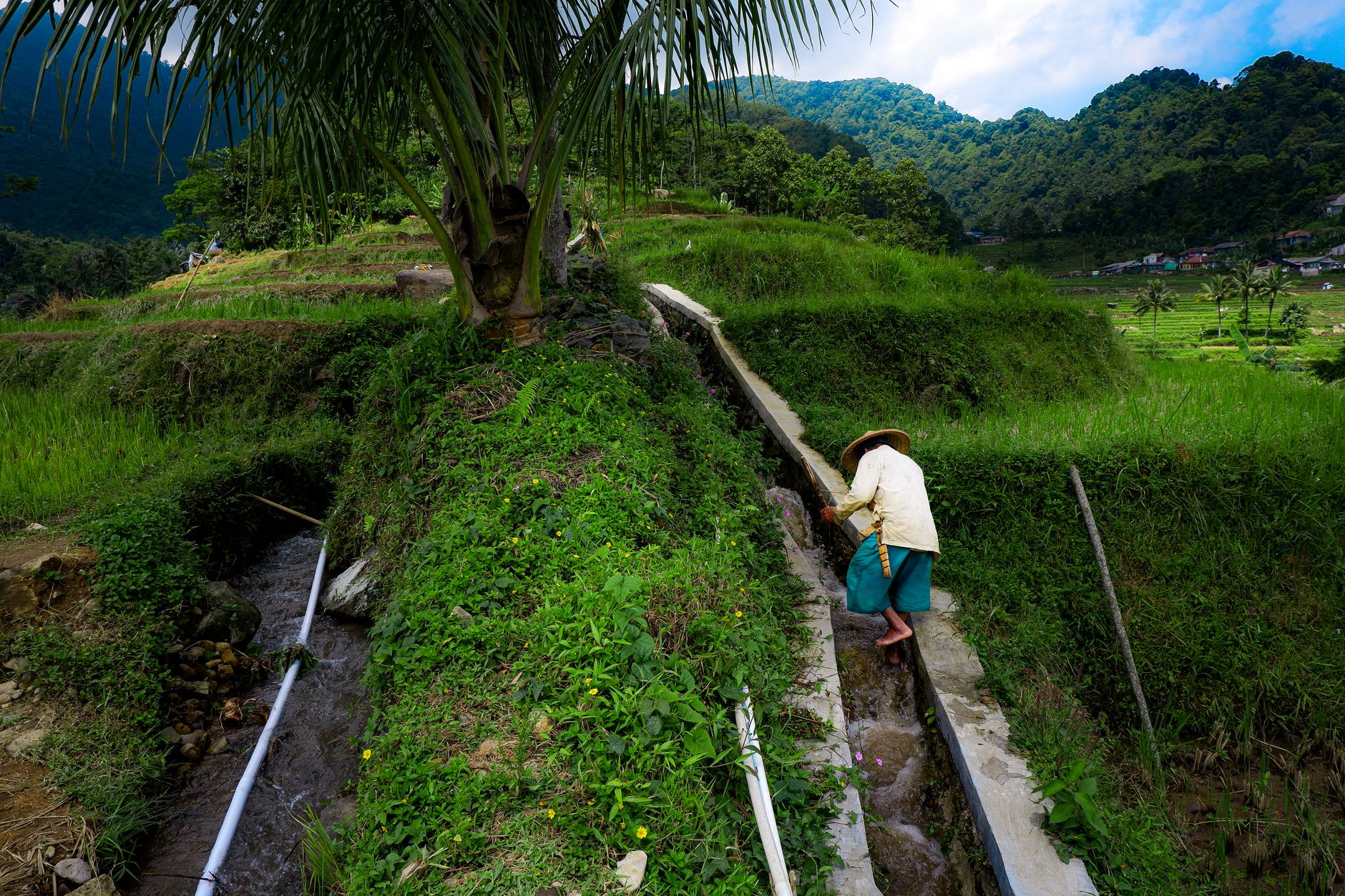
The world is facing environmental challenges of unprecedented scale—climate change, biodiversity loss, and resource depletion—yet many of the most effective solutions may not come from laboratories or high-tech innovations alone. They could lie in the wisdom of the past. The Earthna Prize 2026 is a groundbreaking initiative that recognizes and amplifies the power of traditional knowledge in addressing today’s ecological crises. By honoring projects that integrate cultural heritage with modern sustainability efforts, the prize is redefining what it means to build a resilient future.
The Vision Behind the Earthna Prize
The Earthna Prize was established with a clear mission: to elevate the role of indigenous and traditional knowledge in environmental stewardship. While scientific advancements and technological breakthroughs dominate discussions about sustainability, the prize acknowledges that communities around the world have long practiced sustainable living—often for centuries. These practices, rooted in deep ecological understanding, offer invaluable insights for contemporary challenges.
For example, traditional agricultural techniques like crop rotation, agroforestry, and water conservation methods have sustained civilizations for generations. Similarly, indigenous fire management practices have proven effective in preventing wildfires, while ancient water harvesting systems continue to provide solutions in arid regions. The Earthna Prize seeks to spotlight these time-tested approaches and ensure they are not lost to modernization.
Who Can Apply?
The Earthna Prize 2026 is open to a diverse range of applicants, including:
- Indigenous communities and cultural organizations preserving and reviving traditional ecological knowledge.
- Non-profits and NGOs working at the intersection of heritage conservation and environmental sustainability.
- Academic researchers and institutions documenting and applying traditional practices in modern contexts.
- Social enterprises and startups developing innovative business models that integrate cultural wisdom with sustainable development.
- Government and policy initiatives that recognize and incorporate traditional knowledge into environmental strategies.
The prize is not limited by geography or discipline. Whether it’s a community-led reforestation project in the Amazon, a coastal conservation effort in Southeast Asia, or a renewable energy initiative inspired by ancient techniques in Africa, all eligible projects share a common thread: they demonstrate how heritage can inform and enhance modern sustainability efforts.
What the Prize Offers
Winners of the Earthna Prize 2026 will receive more than just financial support. The prize is designed to provide a platform for visibility, collaboration, and long-term impact. Here’s what selected projects can expect:
1. Financial Support
A substantial grant will be awarded to winning projects, enabling them to scale their efforts, conduct further research, or expand their reach. The exact amount varies depending on the scope and needs of the project, but the funding is intended to be transformative rather than merely supplemental.
2. Global Recognition
Winning the Earthna Prize brings international attention to the project and its contributors. This recognition can open doors to partnerships with governments, NGOs, and private sector organizations, amplifying the project’s influence and sustainability.
3. Networking and Mentorship
Prize recipients gain access to a global network of experts, thought leaders, and fellow innovators. This community provides mentorship, collaborative opportunities, and ongoing support to help projects thrive beyond the initial funding period.
4. Capacity Building
The Earthna Prize includes tailored workshops, training sessions, and resources to strengthen the organizational and technical capacities of winning teams. This ensures that projects are not only impactful but also sustainable in the long run.
Why Traditional Knowledge Matters in Modern Sustainability
The urgency of environmental challenges has led to a growing recognition of the value of traditional knowledge. Here’s why integrating these practices into modern solutions is not just beneficial but essential:
1. Holistic and Context-Specific Solutions
Traditional knowledge is often deeply rooted in local ecosystems, making it inherently context-specific. Unlike one-size-fits-all technological solutions, these practices are tailored to the unique environmental, social, and cultural conditions of a region. For example, the Zai farming technique, used by farmers in the Sahel region of Africa, involves digging small pits to capture rainwater and improve soil fertility—a simple yet highly effective method for combating desertification.
2. Resilience and Adaptability
Many traditional practices have evolved over centuries in response to environmental changes. This makes them inherently resilient and adaptable. Indigenous fire management techniques, for instance, have been used by Aboriginal communities in Australia for thousands of years to reduce the risk of catastrophic wildfires. These methods are now being revisited as modern fire suppression strategies prove inadequate in the face of climate change.
3. Cultural Preservation and Empowerment
For indigenous communities, traditional knowledge is not just about environmental stewardship—it’s a cornerstone of cultural identity. By recognizing and supporting these practices, the Earthna Prize contributes to the preservation of cultural heritage while empowering communities to take leadership roles in sustainability efforts. This approach fosters a sense of ownership and pride, which is crucial for the long-term success of environmental initiatives.
4. Bridging the Gap Between Old and New
The most effective sustainability solutions often lie at the intersection of tradition and innovation. The Earthna Prize encourages projects that blend ancient wisdom with modern technology, creating hybrid approaches that are both effective and scalable. For example, a project in India combines traditional rainwater harvesting techniques with IoT sensors to optimize water usage in agriculture. This fusion of old and new exemplifies the potential of integrated solutions.
How to Apply for the Earthna Prize 2026
Applications for the Earthna Prize 2026 are open until July 20, 2026. The process is designed to be accessible and inclusive, ensuring that projects from all backgrounds have an opportunity to be recognized. Here’s a step-by-step guide to applying:
Step 1: Review the Eligibility Criteria
Before applying, ensure that your project aligns with the prize’s mission of integrating traditional knowledge and cultural heritage into environmental solutions. Projects should demonstrate a clear impact, scalability, and a commitment to sustainability. Both established initiatives and emerging ideas are welcome, provided they show potential for meaningful change.
Step 2: Prepare Your Application
The application requires detailed information about your project, including:
- A description of the traditional knowledge or cultural practices being preserved or applied.
- An explanation of how these practices address a specific environmental challenge.
- Evidence of the project’s impact, such as case studies, testimonials, or data.
- A plan for how the prize funding would be used to scale or enhance the project.
- Information about the team or organization behind the project, including their expertise and track record.
Applicants are encouraged to include multimedia elements, such as videos or photographs, to provide a vivid portrayal of their work. These materials can help the selection committee better understand the project’s context and impact.
Step 3: Submit Your Application
Applications must be submitted through the official Earthna Prize portal. The process is entirely online, making it accessible to applicants worldwide. Late submissions will not be considered, so it’s important to plan ahead and ensure all materials are ready before the deadline.
Step 4: Selection Process
After the application deadline, a panel of experts will review all submissions. The selection process is rigorous and multi-stage, involving:
- Initial Screening: Applications are evaluated for completeness and alignment with the prize’s mission.
- Shortlisting: A subset of projects is selected for further review based on their innovation, impact, and scalability.
- Final Evaluation: Shortlisted applicants may be asked to provide additional information or participate in interviews. The final winners are chosen based on their potential to create lasting environmental and cultural change.
Success Stories from Past Earthna Prize Winners
Since its inception, the Earthna Prize has supported a diverse array of projects that exemplify the power of traditional knowledge in sustainability. Here are a few inspiring examples:
1. Reviving Ancient Water Systems in Peru
In the Andean highlands of Peru, a community-led initiative has successfully revived the amunas, an ancient water harvesting system used by the Inca civilization. The amunas involve constructing stone channels to capture and store rainwater, which is then slowly released into the ground to replenish aquifers. This project has not only improved water security for local communities but also restored degraded ecosystems. The Earthna Prize provided funding to expand the initiative, training more communities in the technique and integrating modern monitoring tools to enhance its effectiveness.
2. Indigenous Fire Management in Australia
Aboriginal communities in Australia have long used controlled burning to manage landscapes and reduce the risk of wildfires. A project supported by the Earthna Prize has worked to revive these traditional practices, combining them with modern fire science to create a more sustainable approach to land management. The initiative has reduced the frequency and intensity of wildfires, improved biodiversity, and empowered indigenous communities to take a leading role in environmental stewardship.
3. Agroecology in Kenya
In Kenya, a social enterprise has been working with smallholder farmers to revive traditional agroecological practices, such as intercropping and the use of organic fertilizers. These methods have improved soil health, increased crop yields, and reduced the need for chemical inputs. With support from the Earthna Prize, the enterprise has scaled its efforts, reaching thousands of farmers and promoting food security in the region.
The Broader Impact of the Earthna Prize
The Earthna Prize is more than just a funding opportunity—it’s a movement to redefine how we approach environmental sustainability. By recognizing the value of traditional knowledge, the prize challenges the dominant narrative that innovation must always come from cutting-edge technology. Instead, it highlights the importance of looking to the past for solutions to the challenges of the future.
This approach has ripple effects beyond the individual projects it supports. It encourages policymakers, researchers, and practitioners to consider traditional knowledge as a legitimate and valuable source of solutions. It also fosters greater collaboration between indigenous communities and modern institutions, creating a more inclusive and equitable path toward sustainability.
For students, researchers, and young professionals interested in environmental sustainability, the Earthna Prize offers a unique opportunity to engage with a global community of innovators. Whether through applying for the prize, volunteering with winning projects, or simply learning from their work, there are countless ways to get involved and contribute to this important movement.
If you’re working on a project that blends cultural heritage with environmental sustainability, the Earthna Prize 2026 could be your chance to make a lasting impact. Applications are open until July 20, 2026, so start preparing your submission today. The future of sustainability may well depend on the wisdom of the past—and your project could be the next success story.
For more information about internships in sustainability and environmental fields, consider exploring opportunities in data analytics and data science or AI and machine learning, where you can develop skills to support innovative projects like those recognized by the Earthna Prize.
The Earthna Prize 2026 is a reminder that the most effective solutions to our environmental challenges may not always be the newest or most technologically advanced. Sometimes, they are the ones that have been with us all along—waiting to be rediscovered, respected, and revitalized.